| Items |
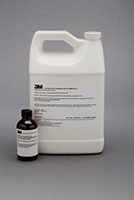 /Asset/3mtm-surface-pre-treatment-ac-131.jpg /Asset/3mtm-surface-pre-treatment-ac-131.jpg AC-131 BB 3M™ AC-131 2-Part Blue Color Surface Pre-Treatment Conversion Coating |
/Asset/3mtm-surface-pre-treatment-ac-131.jpg AC-131 CB 3M™ AC-131 2-Part Clear Color Surface Pre-Treatment Conversion Coating |
||
| Description |
3M™ Surface Pre-Treatment AC-131 is a high-performance, non-chromated, conversion coating for applications on aluminum, nickel, and titanium alloys. The 3M™ AC-131 Pre-Treatment application is used for parts subsequently finished with epoxy-based and polyurethane-based organic coatings. 3M™ AC-131 Pre-Treatment provides an excellent solvent-free alternative to achieve the high performance required in aircraft paint applications. The current surface preparation technique such as Alodine® provides acceptable surfaces for coating applications. However, the alodine® process produces significant amounts of hazardous waste. |
|||
| Package Type | Each | |||
| Include shipping calculator | ||||
| Include in Freight Shipping Calculator | ||||
| Type of Handling Units | ||||
| Type of Packages | ||||
| Brands | 3M™ | |||
| Available Product Configurations | 2-Part | |||
| Induction Time | 30 minutes | |||
| Pot Life after Mixing | 24 hour | |||
| Note for Typical Physical and Application Properties | The technical information and data should be considered representative or typical only and should not be used for specification purposes. | |||
| Kit Designation | 100 mL50 mLPint Quart 1 gal5 gal | |||
| Area Coverage for 50 Milliliter (mL) Kit Designation | 16 ft²1.5 m² | |||
| Area Coverage for 100 Milliliter (mL) Kit Designation | 32 ft²3 m² | |||
| Area Coverage for Pint Kit Designation | 150 ft²13.9 m² | |||
| Area Coverage for Quart Kit Designation | 300 ft²27.9 m² | |||
| Area Coverage for 1 Gallon (gal) Kit Designation | 1,200 ft²111.5 m² | |||
| Area Coverage for 5 Gallon (gal) Kit Designation | 6,000 ft²557.5 m² | |||
| Patents |
One or more of the following US Patents covers 3M™ Surface Pre-Treatment AC-131: 5,939,197 5,866,652 5,789,085 5,869,141 5,849,110 5,869,140 5,814,137 |
|||
| Surface Preparation | 3M™ Surface Pre-Treatment AC-131 may be applied after cleaning to a 'water-break free' surface. Alkaline cleaning will usually provide a 'water-break free' surface. Chemical etching and deoxidizing is generally not required. Manual deoxidation can be accomplished by either Scotch-Brite™ pad abrasion or sanding with #180 grit or finer aluminum oxide sandpaper. | |||
| Typical Application Technique | 3M™ Surface Pre-Treatment AC-131 in accordance with instructions. Use the appropriately sized kit for the size of part and the method of application. Application rate is approximately 1 quart of 3M™ AC-131 Pre-Treatment for approximately 300 square feet of surface to be coated. | |||
| Spray Application |
3M™ Surface Pre-Treatment AC-131 surface treatment can be sprayed onto the part surface using a variety of methods including HVLP guns, hand pump sprayers, etc. The solution is applied so as to completely wet the part surface with a mist. Excess solution may run off the part. Larger surface areas may require coating by sections. Allow coated part to drain for 3 to 10 minutes. If there is surplus 3M™ AC-131 Pre-Treatment that has pooled or collected in crevices, pockets, or other collection areas, including drip edges or fastener holes, use filtered compressed air to blow off excess. Do not splatter this excess solution onto adjoining part surfaces. Alternatively a cloth pre-wetted with 3M™ AC-131 Pre-Treatment may be used to gently blot, not rub, the surface of pooled liquid. Do not blow dry areas of the part that are able to freely drain. |
|||
| Brush Application |
Apply fresh 3M™ Surface Pre-Treatment AC-131 by brushing with a clean natural bristle brush or swabbing with a clean wiper, cheesecloth or gauze. Do not scrub with a brush or applicator. Apply enough to achieve complete coverage of surface to be treated. Brushes or wipers should not leave streaks on the surface. Allow coated part to drain for 3 to 10 minutes. If any surplus 3M™ AC-131 Pre-Treatment has pooled or collected in crevices, pockets, or other collection areas, including drip edges or fastener holes, use the same methods described under spray application to remove excess. |
|||
| Dry/Cure of 3M™ Surface Pre-Treatment | 3M™ Surface Pre-Treatment AC-131 coated parts may be painted as soon as the surface appears dry but no sooner than 15 minutes, at ambient, from the time of application of the 3M™ AC-131 Pre-Treatment. When the 3M™ AC-131 Pre-Treatment treated surface is to be masked, the 3M™ AC-131 Pre-Treatment must dry for a minimum of 60 minutes, at ambient, prior to masking. Minimize contact with the part while drying. Exact drying time will vary depending upon the configuration of the part and ambient conditions. Alternately, after drying at ambient temperature for a minimum of 30 minutes, parts may be heated to 120 ºF maximum for an additional 8 hours minimum to facilitate drying. After drying, coated surfaces should be protected from contamination prior to applying the epoxy-based or polyurethane-based organic coating. | |||
| Health and Safety Precaution | 3M™ Surface Pre-Treatment AC-131 is safe to use and apply when recommended precautions are followed. Before using this product, read and understand the Material Safety Data Sheet (MSDS), which provides information on health, physical and environmental hazards, handling precautions and first aid recommendations. An MSDS is available on request. | |||
| Storage | For BMS10-128 and AMS3175, the shelf life of 3M™ Surface Pre-Treatment AC-131 BB and CB is 12 months from the date of package when stored in the original unopened containers between 40 ºF and 100 ºF. | |||
| Technical Information | The technical information, recommendations and other statements contained in this document are based upon tests or experience that 3M™ believes are reliable, but the accuracy or completeness of such information is not guaranteed. | |||
| Product Use | Many factors beyond 3M™'s control and uniquely within user's knowledge and control can affect the use and performance of a 3M™ product in a particular application. Given the variety of factors that can affect the use and performance of a 3M™ product, user is solely responsible for evaluating the 3M™ product and determining whether it is fit for a particular purpose and suitable for user's method of application. | |||
| Warranty, Limited Remedy, and Disclaimer | Many factors beyond 3M™'s control and uniquely within user's knowledge and control can affect the use and performance of a 3M™ product in a particular application. Given the variety of factors that can affect the use and performance of a 3M™ product, user is solely responsible for evaluating the 3M™ product and determining whether it is fit for a particular purpose and suitable for user's method of application. | |||
| Limitation of Liability | Except where prohibited by law, 3M™ will not be liable for any loss or damage arising from the 3M™ product, whether direct, indirect, special, incidental or consequential, regardless of the legal theory asserted, including warranty, contract, negligence or strict liability. | |||
| Additional Information |
When used with the leading organic primers and topcoats, 3M™ AC-131 Pre-Treatment provides an economical and environmental alternative to more costly and hazardous processes. 3M™ AC-131 Pre-Treatment provides equivalent or better wet and dry adhesion performance to that of many of the other surface preparation techniques available. This is true of both OEM and repair/repaint (scuff and sand) applications. 3M™ AC-131 Pre-Treatment is simply applied to surfaces either by brush, dip or spray on at ambient drying conditions. |
|||
| Note | These products were manufactured under a 3M™ Quality Management System registered to the AS9100 standard. | |||
| Primer Type | ||||
| Lap Shear Strength After 40 Days Aging at -55 Degree Fahrenheit (ºF) (-67 Degree Celsius (ºC)) Temperature | ||||
| Color | Blue | Clear | ||
| Features | ||||
| Hardness | ||||
| Applications | ||||
| Mix Ratio | ||||
| Work Time | ||||
| Appearance | ||||
| Density | ||||
| Processing | ||||
| Note for Typical Properties | ||||
| Tensile Strength | ||||
| Test Method for Hardness | ||||
| Viscosity at 77 Degree Fahrenheit (ºF) (25 Degree Celsius (ºC)) Temperature | ||||
| Note for Mix Ratio | ||||
| Test Method for Density | ||||
| Packaging | ||||
| Mix Ratio by Volume (Part A/Part B) | ||||
| Mix Ratio by Weight (Part A/Part B) | ||||
| Test Method for Tensile Strength | ||||
| Original Equipment Manufacturer (OEM) Specifications | ||||
| Consistency at 77 Degree Fahrenheit (ºF) Temperature | ||||
| Gel Time at 77 Degree Fahrenheit (ºF) Temperature | ||||
| Mix Ratio by Weight (R:H) | ||||
| Suggested Cure Schedule Fahrenheit (ºF) | ||||
| Maximum Service Temperature | ||||
| Compressive Strength at 77 Fahrenheit (ºF) | ||||
| Flame Retardant | ||||
| Mix Ratio Ritt by Weight | ||||
| Mixed Viscosity at 77 Fahrenheit (ºF) Temperature | ||||
| Minimum Gel Time/Pot Life at 77 Fahrenheit (ºF) Temperature | ||||
| Lap Shear Strength at 180 Fahrenheit (ºF) Temperature (Aluminum to Aluminum) | ||||
| T-Peel Strength | ||||
| Lap Shear Strength at 77 Fahrenheit (ºF) Temperature (Aluminum to Aluminum) | ||||
| Test Method for Appearance | ||||
| Test Method for Viscosity at 25 Degree Celsius (ºC) Temperature | ||||
| Viscosity at 25 Degree Celsius (ºC) Temperature | ||||
| Gel Time 125 Gram (g) at 77 Degree Fahrenheit (ºF) (25 Degree Celsius (ºC)) Temperature | ||||
| Typical Cure Cycles | ||||
| Note for Typical Physical Properties | ||||
| Tensile Modulus | ||||
| Test Method for Tensile Modulus | ||||
| Elongation at Tensile Break | ||||
| Test Method for Elongation at Tensile Break | ||||
| Compressive Strength at 77 Degree Fahrenheit (ºF) (25 Degree Celsius (ºC)) Temperature | ||||
| Compressive Strength at 250 Degree Fahrenheit (ºF) (121 Degree Celsius (ºC)) Temperature | ||||
| Compressive Strength at 250 Degree Fahrenheit (ºF) (121 Degree Celsius (ºC)) after 7 days at 160 Degree Fahrenheit (ºF) (71 Degree Celsius (ºC)) and 85% Relative Humidity (RH) | ||||
| Test Method for T-Peel Strength | ||||
| Glass Transition Temperature, Tg, (E' Onset) Cured 5 days at 77 Degree Fahrenheit (ºF) (25 Degree Celsius (ºC)) Temperature | ||||
| Glass Transition Temperature, Tg, (E' Onset) Cured 1 Hour at 150 Degree Fahrenheit (ºF) (66 Degree Celsius (ºC)) Temperature | ||||
| Test Method for Tensile Lap Shear Strength | ||||
| Tensile Lap Shear Strength for Etched and Primed Aluminum Tested at -94 Degree Fahrenheit (ºF) (-70 Degree Celsius (ºC)) Temperature | ||||
| Tensile Lap Shear Strength for Etched and Primed Aluminum Tested at 77 Degree Fahrenheit (ºF) (25 Degree Celsius (ºC)) Temperature | ||||
| Tensile Lap Shear Strength for Etched and Primed Aluminum Tested at 250 Degree Fahrenheit (ºF) (121 Degree Celsius (ºC)) Temperature | ||||
| Tensile Lap Shear Strength for Etched and Primed Aluminum Tested at 350 Degree Fahrenheit (ºF) (177 Degree Celsius (ºC)) Temperature | ||||
| Tensile Lap Shear Strength for Etched and Primed Aluminum Tested at 400 Degree Fahrenheit (ºF) (204 Degree Celsius (ºC)) Temperature | ||||
| Tensile Lap Shear Strength for Carbon Fiber Reinforced Polymer (CFRP) Tested at 77 Degree Fahrenheit (ºF) (25 Degree Celsius (ºC)) Temperature | ||||
| Tensile Shear Strength at 73 Degree Fahrenheit (ºF) (23 Degree Celsius (ºC)) Temperature for 4 Hour Cure Time (Aluminum to Aluminum) | ||||
| Tensile Shear Strength at 73 Degree Fahrenheit (ºF) (23 Degree Celsius (ºC)) Temperature for 5 Hour Cure Time (Aluminum to Aluminum) | ||||
| Tensile Shear Strength at 73 Degree Fahrenheit (ºF) (23 Degree Celsius (ºC)) Temperature for 6.5 Hour Cure Time (Aluminum to Aluminum) | ||||
| Tensile Shear Strength at 73 Degree Fahrenheit (ºF) (23 Degree Celsius (ºC)) Temperature for 15 Hour Cure Time (Aluminum to Aluminum) | ||||
| Tensile Shear Strength at 73 Degree Fahrenheit (ºF) (23 Degree Celsius (ºC)) Temperature for 24 Hour Cure Time (Aluminum to Aluminum) | ||||
| Tensile Shear Strength at 73 Degree Fahrenheit (ºF) (23 Degree Celsius (ºC)) Temperature for 120 Hour Cure Time (Aluminum to Aluminum) | ||||
| Tensile Shear Strength at 73 Degree Fahrenheit (ºF) (23 Degree Celsius (ºC)) Temperature for 168 Hour Cure Time (Aluminum to Aluminum) | ||||
| Note for Cure Time | ||||
| Precautionary Statement | ||||
| Tensile Lap Shear Strength After 7 Days for Etched and Primed Aluminum Tested at 160 Degree Fahrenheit (ºF) (71 Degree Celsius (ºC)) Temperature and 85 % Relative Humidity (RH) | ||||
| Tensile Lap Shear Strength for Anodized and Primed Aluminum (Fluid Resistance) Cure for 7 Days Tested at 77 Degree Fahrenheit (ºF) (25 Degree Celsius (ºC)) Temperature | ||||
| Tensile Lap Shear Strength After 7 Days for in Water Anodized and Primed Aluminum (Fluid Resistance) Tested at 77 Degree Fahrenheit (ºF) (25 Degree Celsius (ºC)) Temperature | ||||
| Tensile Lap Shear Strength After 7 Days in IPA for Anodized and Primed Aluminum (Fluid Resistance) Tested at 77 Degree Fahrenheit (ºF) (25 Degree Celsius (ºC)) Temperature | ||||
| Tensile Lap Shear Strength After 7 Days n Hydraulic Fluid for Anodized and Primed Aluminum (Fluid Resistance) Tested at 77 Degree Fahrenheit (ºF) (25 Degree Celsius (ºC)) Temperature | ||||
| Tensile Lap Shear Strength After 7 Days in Jet A for Anodized and Primed Aluminum (Fluid Resistance) Tested at 77 Degree Fahrenheit (ºF) (25 Degree Celsius (ºC)) Temperature | ||||
| Appearance - Test Method Visual | ||||
| Wet Density - Test Method ASTM D1875 | ||||
| Viscosity at 77°F (25°C) - Test Method ASTM D2196 | ||||
| Extrusion rate at 77°F (25°C) after 8 hours - Test Method OEM | ||||
| Sag resistance - Test Method OEM | ||||
| Cure cycle | ||||
| Cured Density - Test Method ASTM D1622 | ||||
| Compressive strength at 73°F (23°C) - Test Method ASTM D695 | ||||
| Compressive strength at 300°F (149°C) - Test Method ASTM D695 | ||||
| Compressive strength at 350°F (177°C) - Test Method ASTM D695 | ||||
| Compressive strength at 73°F (23°C) after hot/wet exposure - Test Method ASTM D695 | ||||
| Compressive strength at 265°F (129°C) after hot/wet exposure - Test Method ASTM D695 | ||||
| Tensile lap shear strength, Al/Al, at 73°F (23°C) - Test Method ASTM D1002 | ||||
| Self-extinguishing time - 15-second horizontal burn - Test Method FAR 25.853 | ||||
| Self-extinguishing time - 12-second vertical burn - Test Method FAR 25.853 | ||||
| Tg, TMA, cured 1hour at 350°F (177°C) - Test Method ASTM E1824 | ||||
| Tg, DMA, cured 1hour at 350°F (177°C) - Test Method ASTM D4065 | ||||
| CTE, below Tg, cured 1hour at 350°F (177°C) - Test Method ASTM E831 | ||||
| Hot/wet exposure note | ||||
| First Aid | ||||
| Appearance - 1619-1 A Resin - Test Method Visual | ||||
| Appearance - 1619-1 B Hardener - Test Method Visual | ||||
| Appearance - Mixed System - Test Method Visual | ||||
| Density - 1619-1 A Resin - Test Method ASTM D1622 | ||||
| Density - 1619-1 B Hardener - Test Method ASTM D1622 | ||||
| Density - Mixed System - Test Method ASTM D1622 | ||||
| Viscosity - 1619-1 A Resin - Test Method ASTM D2196 | ||||
| Viscosity - 1619-1 B Hardener - Test Method ASTM D2196 | ||||
| Viscosity - Mixed System - Test Method ASTM D2196 | ||||
| Extrudability - 1619-1 A Resin - Test Method BMS5-28 | ||||
| Extrudability - 1619-1 B Hardener - Test Method BMS5-28 | ||||
| Extrudability - Mixed System - Test Method BMS5-28 | ||||
| Mix Ratio - EPOCAST® 1619-1 A Resin - Parts by weight | ||||
| Mix Ratio - EPOCAST® 1619-1 B Hardener - Parts by weight | ||||
| Mixing | ||||
| Gel time, 62.5 g at 77°F (25°C) | ||||
| Lap shear strength at 73°F (23°C), Al-Al - Test Method ASTM D1002 | ||||
| Compressive strength at 180°F (82°C) - Test Method ASTM D695 | ||||
| Compressive modulus at 73°F (23°C) - Test Method ASTM D695 | ||||
| Flammability, 12-second vertical burn - Result - Test Method BMS5-28 | ||||
| Flammability - Extinguishing time - Test Method BMS5-28 | ||||
| Flammability - Burn length - Test Method BMS5-28 | ||||
| Flammability - Drip extinguishing time - Test Method BMS5-28 | ||||
| Weight gain - Mil-S-3136, Type III test fluid - Test Method ASTM D543 | ||||
| Weight gain - Mil-H-5606 hydraulic fluid - Test Method ASTM D543 | ||||
| Weight gain - Skydrol 500A - Test Method ASTM D543 | ||||
| Weight gain - Distilled water - Test Method ASTM D543 | ||||
| Hardness, Shore D - Test Method ASTM D2240 | ||||
| Insert pull out strength - Test Method BMS5-28 | ||||
| Insert torque out strength - Test Method BMS5-28 | ||||
| Density at 25°C - Test Method ASTM D1622 | ||||
| Flow - Test Method BMS 5-28, RMS 027, SMS 116201 | ||||
| Extrudability at 25°C - Test Method BMS 5-28, RMS 027, SMS 116201 | ||||
| Work life after thaw, 100 g at 25°C | ||||
| Cure note | ||||
| Ultimate compressive strength at 25°C - Test Method ASTM D695 | ||||
| Ultimate compressive strength at 177°C - Test Method ASTM D695 | ||||
| Ultimate tensile strength - Test Method ASTM D638 | ||||
| Young’s modulus - Test Method ASTM D638 | ||||
| Shear modulus - Test Method ASTM D5279 | ||||
| Flexural modulus - Test Method ASTM D790 | ||||
| Lap shear strength, Al-Al - Test Method ASTM D1002 | ||||
| Tg, onset by TMA (expansion probe) - Test Method ASTM E1363 | ||||
| Coefficient of Thermal Expansion - Above Tg - Test Method ASTM E831 | ||||
| Coefficient of Thermal Expansion - Below Tg - Test Method ASTM E831 | ||||
| Fluid weight gain - DI water - Test Method ASTM D543 | ||||
| Fluid weight gain - Skydrol 500B - Test Method ASTM D543 | ||||
| Fluid weight gain - MIL-H-5606 hydraulic - Test Method ASTM D543 | ||||
| Fluid weight gain - ASTM D471 ref. fuel - Test Method ASTM D543 | ||||
| Flammability, horizontal or vertical - Test Method BSS 7230 | ||||
| Appearance - 1648 A - Test Method Visual | ||||
| Appearance - 1648 B - Test Method Visual | ||||
| Appearance - 1648 A/B - Test Method Visual | ||||
| Density - 1648 A - Test Method ASTM D1875 | ||||
| Density - 1648 B - Test Method ASTM D1875 | ||||
| Density - 1648 A/B - Test Method ASTM D1875 | ||||
| Viscosity - 1648 A - Test Method ASTM D2196 | ||||
| Viscosity - 1648 B - Test Method ASTM D2196 | ||||
| Viscosity - 1648 A/B - Test Method ASTM D2196 | ||||
| Gel time - 1648 A - Test Method ASTM D2471 | ||||
| Gel time - 1648 B - Test Method ASTM D2471 | ||||
| Gel time - 1648 A/B - Test Method ASTM D2471 | ||||
| Extrusion rate at 10 min - 1648 A - Test Method OEM | ||||
| Extrusion rate at 10 min - 1648 B - Test Method OEM | ||||
| Extrusion rate at 10 min - 1648 A/B - Test Method OEM | ||||
| Slump - 1648 A - Test Method ASTM D2202 | ||||
| Slump - 1648 B - Test Method ASTM D2202 | ||||
| Slump - 1648 A/B - Test Method ASTM D2202 | ||||
| Mix Ratio - Epocast® 1648 A - Parts by weight | ||||
| Mix Ratio - Epocast® 1648 B - Parts by weight | ||||
| Gel time, 60g at 77°F (25ºC) | ||||
| Compressive strength after hot/wet exposure at 73°F (23°C) - Test Method ASTM D695 | ||||
| Compressive modulus after hot/wet exposure at 73°F (23°C) - Test Method ASTM D695 | ||||
| Tensile lap shear strength at 73°F (23°C), Al-Al - Test Method ASTM D1002 | ||||
| Tensile lap shear strength after hot/wet exposure at 73°F (23°C), Al-Al - Test Method ASTM D1002 | ||||
| Insert pull-out strength - Test Method OEM | ||||
| Insert torque strength - Test Method OEM | ||||
| Self-extinguishing time (12s vertical) - Test Method FAR 25.853 | ||||
| Smoke density at 4 minutes - Test Method FAR 25 Appendix F V(b) | ||||
| Decomposition byproducts - HCN - Test Method ABD0031 / AITM 3-0005 | ||||
| Decomposition byproducts - CO - Test Method ABD0031 / AITM 3-0005 | ||||
| Decomposition byproducts - NOx - Test Method ABD0031 / AITM 3-0005 | ||||
| Decomposition byproducts - SO2 - Test Method ABD0031 / AITM 3-0005 | ||||
| Decomposition byproducts - HF - Test Method ABD0031 / AITM 3-0005 | ||||
| Decomposition byproducts - HCl - Test Method ABD0031 / AITM 3-0005 | ||||
| Hot / Wet exposure note | ||||
| Effect of Mix Ratio on Flammability - Extinguish Time - 15 wt% less 1648B | ||||
| Effect of Mix Ratio on Flammability - Extinguish Time - Recommended 100:20 ratio | ||||
| Effect of Mix Ratio on Flammability - Extinguish Time - 15 wt% more 1648B | ||||
| Effect of Mix Ratio on Flammability - Burn Length - 15 wt% less 1648B | ||||
| Effect of Mix Ratio on Flammability - Burn Length - Recommended 100:20 ratio | ||||
| Effect of Mix Ratio on Flammability - Burn Length - 15 wt% more 1648B | ||||
| Effect of Mix Ratio on Flammability - Drip Extinguishing Time - 15 wt% less 1648B | ||||
| Effect of Mix Ratio on Flammability - Drip Extinguishing Time - Recommended 100:20 ratio | ||||
| Effect of Mix Ratio on Flammability - Drip Extinguishing Time - 15 wt% more 1648B | ||||
| Appearance - EPIBOND® 115 A Resin | ||||
| Appearance - EPIBOND® 115 B Hardener | ||||
| Appearance - Mixed Adhesive | ||||
| Appearance - Test Method | ||||
| Density - EPIBOND® 115 A Resin | ||||
| Density - EPIBOND® 115 B Hardener | ||||
| Density - Mixed Adhesive | ||||
| Density - Test Method | ||||
| Viscosity at 77°F (25°C) - EPIBOND® 115 A Resin | ||||
| Viscosity at 77°F (25°C) - EPIBOND® 115 B Hardener | ||||
| Viscosity at 77°F (25°C) - Mixed Adhesive | ||||
| Viscosity - Test Method | ||||
| Pretreatment | ||||
| Working time | ||||
| Mix Ratio - EPIBOND® 115 A Resin - Parts by weight | ||||
| Mix Ratio - EPIBOND® 115 A Resin - Parts by volume | ||||
| Mix Ratio - EPIBOND® 115 B Hardener - Parts by weight | ||||
| Mix Ratio - EPIBOND® 115 B Hardener - Parts by volume | ||||
| Gel time, 100 g, @ 77°F, > | ||||
| Typical Cure Cycle | ||||
| Tensile lap shear strength at 77°F (25°C) | ||||
| Tensile lap shear strength at 200°F (93°C) | ||||
| Tensile lap shear strength at 350°F (177°C) | ||||
| Tensile lap shear strength at -85°F (-65°C) | ||||
| Tensile lap shear strength - Test Method | ||||
| T-Peel strength | ||||
| T-Peel strength - Test Method | ||||
| Tg by DMA Dry Tg as cured | ||||
| Wet Tg after 42-day at 145°F at 85% RH | ||||
| Tg - Test Method | ||||
| Tensile Strength at 77°F (25°C) | ||||
| Tensile Strength - Test Method | ||||
| Flexural Strength at 77°F (25°C) | ||||
| Flexural Strength - Test Method | ||||
| Compressive Strength at 77°F (25°C) | ||||
| Compressive Strength - Test Method | ||||
| Handling strength - 16 hours at RT | ||||
| Handling strength - 1 hour at 155°F | ||||
| Handling strength - 1 hour at 155°F + 5 hours at 200°F | ||||
| Bondline Thickness Control - 0.010 inches | ||||
| Bondline Thickness Control - 0.020 inches | ||||
| Bondline Thickness Control - 0.040 inches | ||||
| Bondline Thickness Control - 0.080 inches | ||||
| Appearance - 1210 A-1 Resin - Test Method Visual | ||||
| Appearance - 1210 B Hardener - Test Method Visual | ||||
| Density - 1210 A-1 Resin - Test Method ASTM D792 | ||||
| Density - 1210 B Hardener - Test Method ASTM D792 | ||||
| Density - Mixed System - Test Method ASTM D792 | ||||
| Viscosity - 1210 A-1 Resin - Test Method ASTM D2393 | ||||
| Viscosity - 1210 B Hardener - Test Method ASTM D2393 | ||||
| Viscosity - Mixed System - Test Method ASTM D2393 | ||||
| Flash point, COC - 1210 A-1 Resin - Test Method ASTM D92 | ||||
| Flash point, COC - 1210 B Hardener - Test Method ASTM D92 | ||||
| Flash point, COC - Mixed System - Test Method ASTM D92 | ||||
| Solids - Mixed System - Test Method ASTM D1644 | ||||
| Mix Ratio - EPIBOND® 1210 A-1 Resin - Parts by weight | ||||
| Mix Ratio - EPIBOND® 1210 B Hardener - Parts by weight | ||||
| Work life, 100 g at 25°C | ||||
| Maximum service temperature - Test Method ASTM D648 | ||||
| Tensile lap shear - Al-Al at 25°C - Test Method ASTM D1002 | ||||
| Tensile lap shear - steel to steel at 25°C - Test Method ASTM D1002 | ||||
| Tensile lap shear - steel to steel at 66°C - Test Method ASTM D1002 | ||||
| Tensile lap shear - polyester to polyester at 25°C - Test Method ASTM D1002 | ||||
| Fluid Immersion - JP-4 - Test Method ASTM D1002 | ||||
| Fluid Immersion - Skydrol - Test Method ASTM D1002 | ||||
| Fluid Immersion - Distilled water - Test Method ASTM D1002 | ||||
| CTE - a1 | ||||
| CTE - a2 | ||||
| Thermal Conductivity | ||||
| Outgassing - TML - Test Method ASTM E595 | ||||
| Outgassing - CVCM - Test Method ASTM E595 | ||||
| Appearance - 9615 A Hardener - Test Method Visual | ||||
| Density - 9615 A Hardener - Test Method ASTM D792 | ||||
| Viscosity - 9615 A Hardener - Test Method ASTM D2393 | ||||
| Flash point, COC - 9615 A Hardener - Test Method ASTM D92 | ||||
| Mix Ratio - Hardener 9615 A - Parts by weight | ||||
| Work life, 100g at 25°C | ||||
| Tensile lap shear - Al-Al at 25°C (cured 25°C / 2 days) - Test Method ASTM D1002 | ||||
| Tensile lap shear - Al-Al at 25°C (cured 25°C / 2h + 121°C / 30min) - Test Method ASTM D1002 | ||||
| Tensile lap shear - Al-Al at 150°C (302°F) - Test Method ASTM D1002 | ||||
| CTE - Above transition - Test Method Huntsman | ||||
| CTE - Below transition - Test Method Huntsman | ||||
| Thermal Conductivity - Test Method C-Therm TCi | ||||
| Heat Capacity - Test Method C-Therm TCi | ||||
| Appearance - Hardener 9861 - Test Method Visual | ||||
| Density - Hardener 9861 - Test Method ASTM D792 | ||||
| Viscosity - 1210 A-1 Resin - Test Method ASTM D2196 | ||||
| Viscosity - Hardener 9861 - Test Method ASTM D2196 | ||||
| Mix Ratio - Hardener 9861 - Parts by weight | ||||
| Gel Time, 100g at 77°F (25°C) | ||||
| Lap shear strength, Al-Al - 77°F (25°C) - Test Method ASTM D1002 | ||||
| Lap shear strength, Al-Al - 200°F (93°C) - Test Method ASTM D1002 | ||||
| Lap shear strength, Al-Al - 300°F (149°C) - Test Method ASTM D1002 | ||||
| Tg (DMA) - E’ Onset - Test Method Huntsman | ||||
| Tg (DMA) - Tand peak - Test Method Huntsman | ||||
| CTE - a1 Below transition - Test Method Huntsman | ||||
| CTE - a2 Above transition - Test Method Huntsman | ||||
| Tensile Strength - Test Method ASTM D638 | ||||
| Tensile Modulus - Test Method ASTM D638 | ||||
| Tensile Elongation - Test Method ASTM D638 | ||||
| Flexural Strength - Test Method ASTM D790 | ||||
| Lap Shear after fluid immersion - JP-4 - Test Method ASTM D1002 | ||||
| Lap Shear after fluid immersion - Skydrol - Test Method ASTM D1002 | ||||
| Lap Shear after fluid immersion - Distilled water - Test Method ASTM D1002 | ||||
| Mix ratio - Per Weight | ||||
| Mix ratio - Per Volume | ||||
| Mixing color indicator - Resin (A) | ||||
| Mixing color indicator - Hardener (B) | ||||
| Mixing color indicator - Mixed | ||||
| Recommended Cure Schedules | ||||
| Working time at 77°F (25°C) | ||||
| Gel time at 77°F (25°C) | ||||
| Tensile lap shear strength - Aluminum 2024*, Cured 150°F (66°C) for 2 hours; Test Temp 77°F (25°C) - Test Method ASTM D1002 | ||||
| Thick Adherend Lap Shear Strength - Cured 7 days at 77°F (25°C); Test Temp 77°F (25°C) - Test Method ASTM 5656 | ||||
| T-Peel Strength - Cured 200°F (93°C) / 2 hours; Test Temp 77°F (25°C) - Test Method ASTM D3167 | ||||
| Compressive Strength, ultimate - Cured 200°F (93°C) / 2 hours; Test Temp 77°F (25°C) - Test Method ASTM D695 | ||||
| Compressive Modulus - Cured 200°F (93°C) / 2 hours; Test Temp 77°F (25°C) - Test Method ASTM D695 | ||||
| Hardness - Cured 7 days at 77°F (25°C); Test Temp 77°F (25°C) - Test Method ASTM D2240 | ||||
| Resistivity - 10 Volts; Test Temp 77°F (25°C) | ||||
| Glass transition temperature, Tg - Cured 1 hour at 300°F (121°C); DMA E’ onset | ||||
| Outgassing - TML - Cured 7 days at 77°F (25°C) - Test Method ASTM E595 | ||||
| Outgassing - CVCM - Cured 7 days at 77°F (25°C) - Test Method ASTM E595 | ||||
|
|
||||
